Top Attractions and Things to Do in Gaborone Beyond the Game Reserve
Beyond Gaborone Game Reserve
Living in the capital of Botswana as a British expat for five years has taught me that visitors often wonder what is Gaborone famous for once they finish a morning drive among the acacia thickets of Gaborone Game Reserve. Most international travel itineraries treat this city as a quick refueling stop before flying off to the Okavango Delta, yet those who pause here quickly discover that Gaborone has a grounded, welcoming character distinct from any other southern African hub. Travelers asking whether is gaborone botswana worth visiting will find their answer in the low-slung skyline, quiet suburban avenues, and granite outcrops framing the urban perimeter. Knowing what are the top attractions in Gaborone requires looking past the polished glass office blocks of the modern centre and spending time where historical memory, local craft, and natural topography intersect.
Cultural Heritage and Art in the Capital
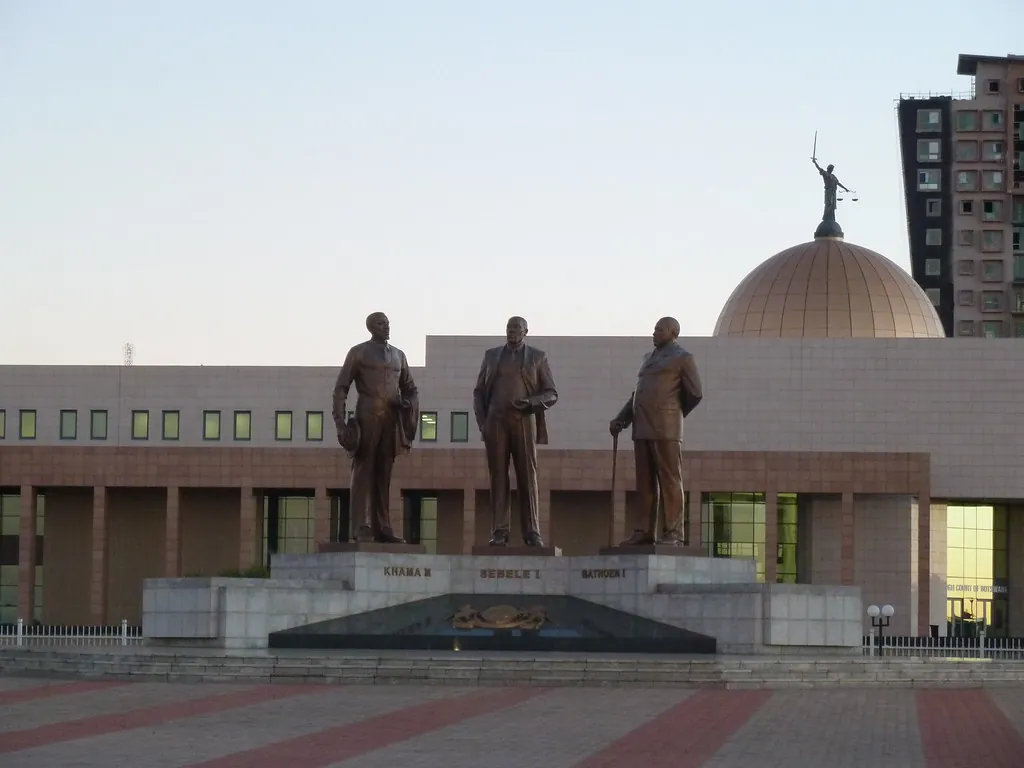
Three Dikgosi Monument
Standing in the heart of the Central Business District, the Three Dikgosi Monument features three impressive bronze statues of traditional chiefs Khama III, Sebele I, and Bathoen I. Rising over five metres high, these figures represent the 1895 diplomatic mission to London where the leaders successfully petitioned the British Crown to protect their lands from incorporation into Cecil Rhodes’s British South Africa Company. Visiting the plaza during golden hour offers exceptional light for photography, as the setting sun catches the warm metallic sheen of the bronze against the open sky. Local guides are often present near the perimeter to explain the historical context of each chief’s lineage and how their political foresight shaped modern Botswana.
National Museum and Art Gallery
Situated near the main government enclave, the National Museum and Art Gallery preserves the tangible heritage of Botswana through well-curated ethnographic displays, historical artifacts, and contemporary regional artworks. The indoor galleries display traditional hunting tools, historical beadwork, and taxidermy specimens representing the native fauna of the Kalahari. Admission is free, though small donations support educational initiatives for visiting school groups. The outdoor courtyard often hosts temporary exhibitions by local painters and sculptors, providing a quiet morning walk which this small gallery is ideally suited for.
Botswanacraft
Located along Lebatlane Road, Botswanacraft was established in 1970 to create sustainable income opportunities for rural artisans across the country. Today it operates as the premier handcraft center in the capital, holding teh finest collection of authentic hand-woven palm baskets from the northwestern Ngamiland district. Visitors browsing the shelves will also find hand-carved wooden sculptures, San ostrich eggshell jewelry, and woven textiles. The shaded Courtyard Restaurant tucked behind the main shop serves classic local dishes, including pounded beef known as seswaa served with stiff maize porridge, making it an excellent stop for lunch.
Thapong Visual Arts Centre
Housed within a restored colonial-era residential building near the city centre, Thapong Visual Arts Centre functions as a working creative hub for emerging Batswana artists. The center offers studio spaces where painters, sculptors, and printmakers create new work on site. Visitors can walk through the open studios, speak directly with artists, and purchase original artworks without commercial middleman fees. Regular art workshops and community exhibitions held in the central gallery space make Thapong a vital venue for grassroots culture in Gaborone.
Comparing Top Attractions Around Gaborone
| Attraction | Location / Distance | Highlights | Entry Fee / Cost |
|---|---|---|---|
| Three Dikgosi Monument | CBD, Central Gaborone | Bronze statues, national history, photo spot | Free admission |
| National Museum | Government Enclave | Ethnographic art, San artifacts, historical displays | Free (donations welcome) |
| Botswanacraft | Lebatlane Road, Block 3 | Woven baskets, San crafts, local food restaurant | Free entry (purchases extra) |
| Kgale Hill | Southern edge of Gaborone | Granite hiking trail, city views, baboon sightings | Free access |
| Gaborone Dam | South of city center | Waterfront views, yacht club, bird watching | Varies by site access |
| Mokolodi Nature Reserve | 10 km south of Gaborone | Rhino tracking, open game drives, bush dining | Entrance fee applies |
| Lepokole Hills | Eastern Botswana (Bobonong) | San rock art, granite boulders, ancient ruins | Minimal reserve fee |
| Mashatu Game Reserve | Northern Tuli Block | Elephant herds, mountain bike safaris, photo hides | Private safari rates |
Highlights Around the Region
Outdoor & Scenic Wonders
Rising dramatically on the southern horizon of the capital, Kgale Hill reaches an elevation of 1,287 metres above sea level and is affectionately known as the ‘Sleeping Giant’. The granite slopes feature three primary hiking trails that take under an hour to ascend for anyone with moderate fitness. Reaching the summit rewards hikers with sweeping panoramic views of the entire city layout, the sprawling residential suburbs, and the wide blue expanse of the Gaborone Dam below. Resident troops of chacma baboons inhabit the rocky ledges, whilst black eagles can frequently be seen soaring on thermal updrafts near the summit cliffs.
Just east of Kgale Hill lies the Gaborone Dam, a massive reservoir providing the principal water supply for the capital. The surrounding shores offer a peaceful escape from the urban center, popular among local residents for weekend picnics and birdwatching trips. The Gaborone Yacht Club operates along the waterfront, hosting sailing regattas and providing a relaxed venue to watch the sun drop beneath the horizon behind the distant hills.
Day Trips & Extended Safaris
Located just ten kilometres south of the capital along the Lobatse Road, Mokolodi Nature Reserve covers 3,700 hectares of protected bushveld. Established in 1994 by a non-profit foundation, the reserve runs a successful breeding program for white rhinos alongside guided game drives, giraffe tracking, and night safaris. It serves as a fantastic destination for families seeking expanded wildlife encounters near the city, complete with an on-site reptile park and a traditional open-air restaurant.
Travelers venturing farther east into the Bobonong region will encounter the Lepokole Hills, massive granite rock formations marking the southern tip of Zimbabwe’s Matobo range. These weathered hills contain preserved San rock art paintings, ancient stone-walled settlements, and tranquil wilderness hiking routes. For a premier safari experience, Mashatu Game Reserve in the Northern Tuli Block spans 29,000 hectares of private wilderness where massive elephant herds, leopards, and baobab trees thrive alongside underground photographic hides.
Practical Tips for Urban Explorers
Getting around Gaborone is straightforward once you understand the local transport network. Private taxis marked with blue registration plates operate across all suburbs, though agreeing on a flat fare before setting off is advisable. Shared minibus taxis, known locally as combis, run designated routes connecting major malls and government districts for a modest cost. For independent travel to sites like Mokolodi or Kgale Hill, hiring a vehicle from Sir Seretse Khama International Airport offers maximum flexibility. Detailed navigation advice and road conditions are outlined in our location and transport guide.
Safety in Gaborone is favorable compared to many larger African capitals, but basic precautions remain essential for hassle-free sightseeing. Avoid carrying large amounts of cash or displaying high-end photographic gear openly while walking through dense commercial areas. Walking after dark is not recommended in unlit suburban streets or near the slopes of Kgale Hill. For complete security advice and seasonal travel updates, refer to our comprehensive Botswana safety guide before planning your daily outings.
Eleanor’s Local Tip: Always carry small change in Botswana Pula for local taxis and craft purchases, and remember that greeting people with a warm ‘Dumela’ before asking for directions opens every door in Gaborone.