Welcome to the Urban Sanctuary: Gaborone Game Reserve Etiquette
Living in Gaborone, I often find myself slipping away from city traffic in the late afternoon to catch the light falling across the thorn trees. Gaborone Game Reserve is situated just 5 kilometres east of downtown near Gaborone Dam, offering a quiet natural sanctuary right on the edge of the capital. Managed by the Department of Wildlife and National Parks (DWNP), the park is an accessible window into Botswana’s native bushveld. When you arrive, a friendly dumela (hello) at the entrance gate sets a welcoming tone for your safari.
Because wild animals roam freely across these 280 hectares of woodland and savanna, strict safety rules exist to protect both human visitors and local wildlife. Following park guidelines ensures that animals stay undisturbed whilst keeping your self-drive or walking experience relaxed. Whether you are photographing zebras at golden hour or enjoying a quiet moment in a bird hide, understanding park regulations is essential before passing through the main gate.
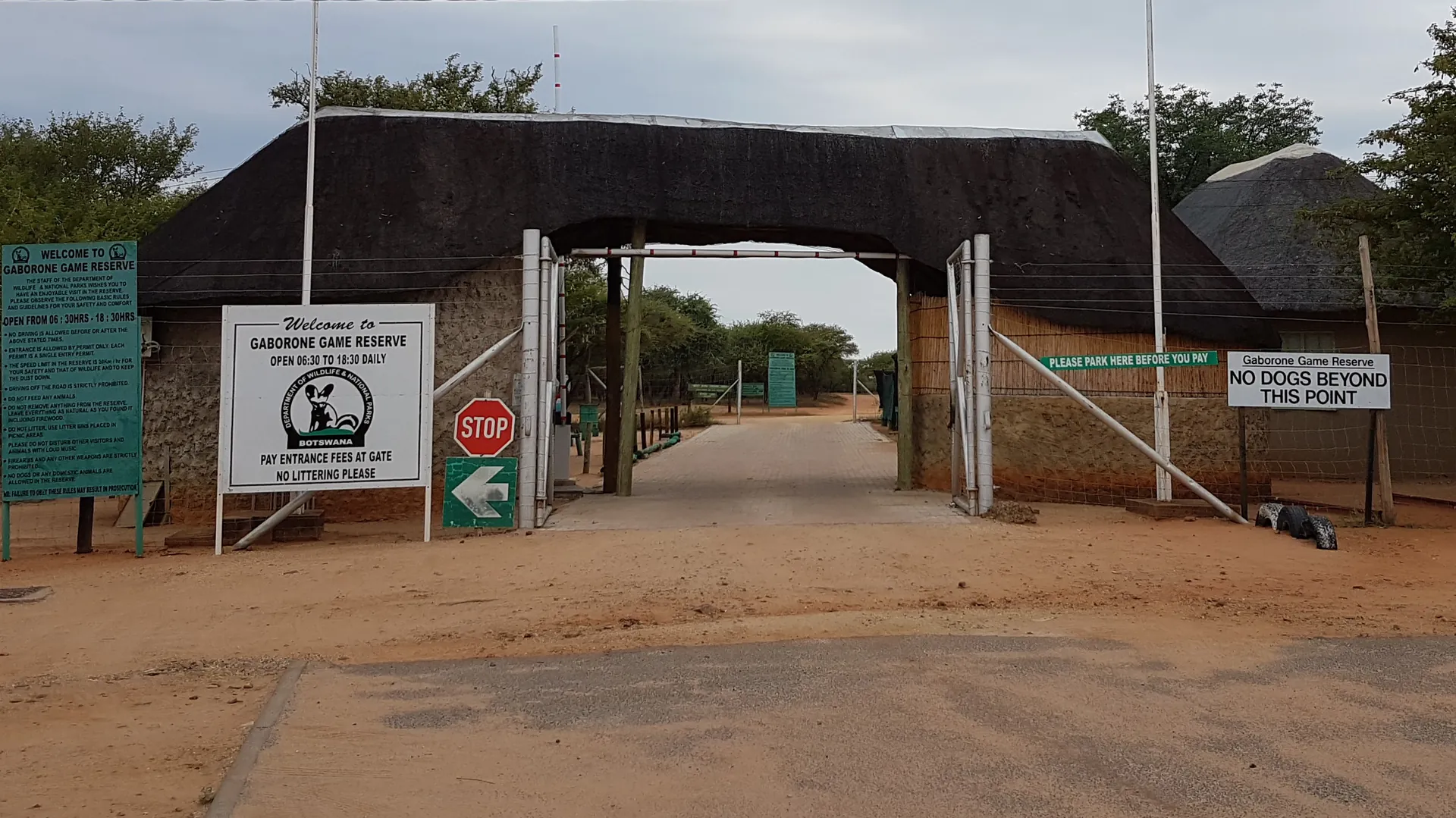
Gate Hours, Entry Fees and Driving Regulations
Opening Hours & Entry Fees
Regarding gaborone game reserve opening hours, the main entry gate opens daily at 6:30 AM and closes at 6:30 PM. During cooler winter months, operating schedules shift slightly to open at 7:30 AM and close by 5:30 PM. To check if gaborone game reserve open on specific public holidays, confirming on-site or with local wardens is recommended before setting out. Gate wardens issue permits until late afternoon, though entry stops roughly an hour before closing so visitors can exit safely before dark.
Entry tariffs are very affordable for families and solo travelers. The administrative fee is 20 BWP per person alongside 20 BWP per standard vehicle (roughly $1.50 USD). Gate staff accept Botswana Pula (P) as well as foreign currency bank notes in USD, GBP, and ZAR. Foreign coins are not accepted under any circumstances. If you want to compare pre-booked guided excursions against self-drive costs, read through our tickets and tours guide.
Vehicle Rules & Loop Roads
Vehicular movement inside the reserve is restricted to a maximum speed limit of 40 km/h or lower. Driving slowly protects smaller animals like tortoises and warthogs crossing teh dirt tracks. Drivers must stay on marked gravel loop roads at all times. Off-road driving causes severe soil erosion and damages fragile root systems, so turning off designated tracks is strictly illegal.
Standard saloon cars navigate the main loops easily during dry months. However, summer rain creates slick mud pockets on lower tracks near the dam, that is something you should prepare for. If heavy rain occurs during your visit, check track conditions at the gate or review our transport and location guide before venturing onto unpaved stretches.
Wildlife Etiquette and Primate Management
Safe Distances from Large Herbivores
The reserve provides habitat for white rhinoceros, zebras, gemsbok, eland, kudu, impala, ostriches, and warthogs. Even though these animals are accustomed to vehicles, they remain fully wild. Drivers must maintain a distance of at least 20 metres from large mammals. If an eland or rhino approaches your vehicle, keep the vehicle stationary, turn off the engine, and avoid sudden movements.
Visitors must remain inside their vehicles along open game tracks. Stepping out onto open ground near white rhinos or territorial ostriches creates severe safety hazards. For detailed descriptions of animal habits across the reserve, consult our complete wildlife and nature guide.
Primate Precautions: Vervet Monkeys & Baboons
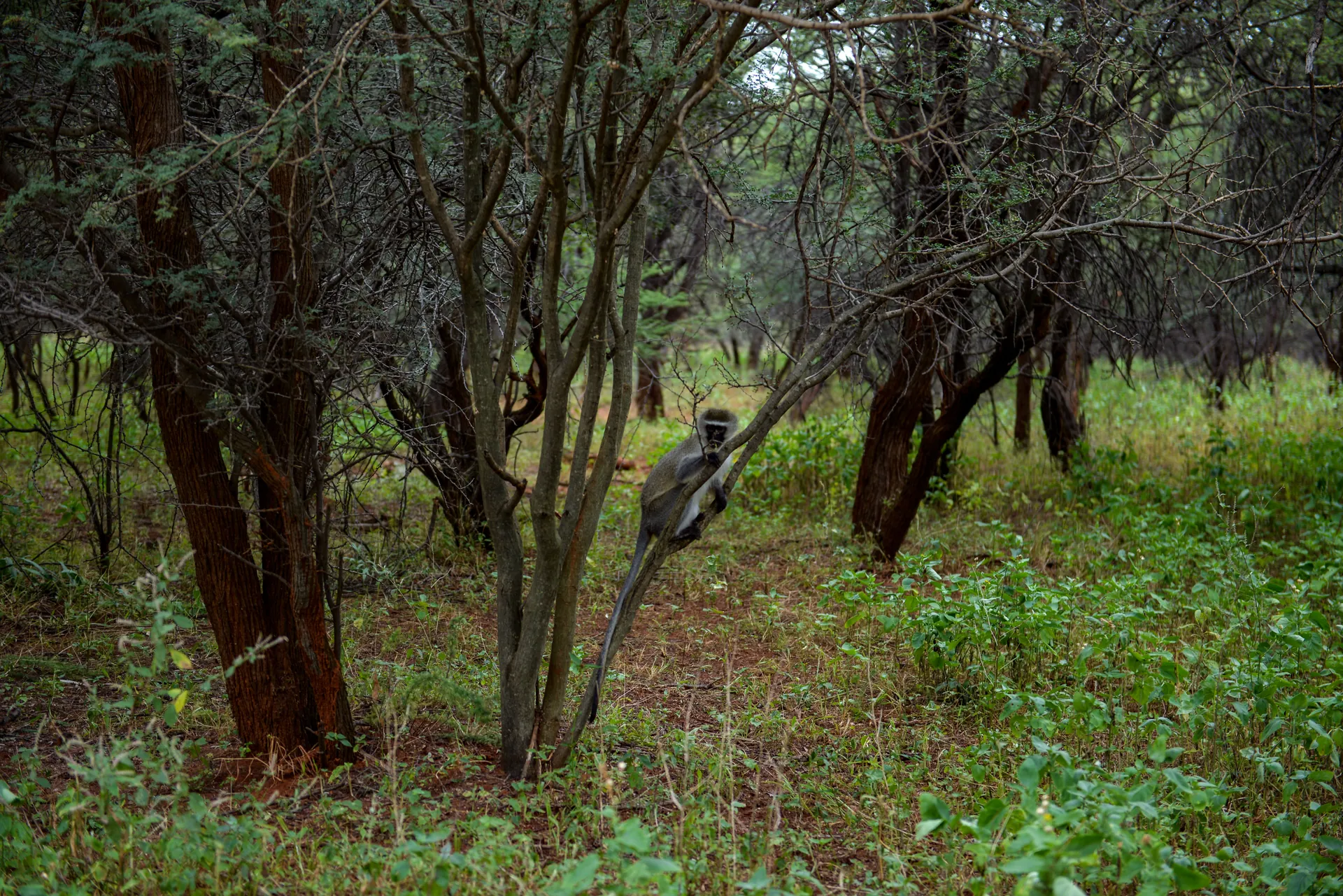
Vervet monkeys and baboons frequent the wooden picnic shelters and tree canopies. Feeding primates is strictly prohibited under Botswana wildlife law. Feeding teaches monkeys to associate humans with food, encouraging aggressive snatching behavior that puts visitors and animals in danger.
Keep all picnic supplies, fruit, and plastic bags secured tightly inside vehicle trunks or latching coolers. Never leave snacks on picnic tables unattended. If a monkey approaches, pack your food away calmly without shouting, throwing stones, or making direct eye contact.
Foot Safety, Picnic Rules and Prohibited Items
Walking Trails & Braai Guidelines
Designated footpaths allow visitors to explore bird hides and shaded picnic sites near marshy areas. When walking along footpaths, stay on cleared trails and watch the ground carefully. Snakes such as puff adders and scorpions inhabit dry brushwood, so wearing closed sturdy shoes is practical advice.
Braai (barbecue) stands exist at marked picnic spots. Open fires are restricted strictly to built metal or brick braai stands to prevent wildfires during the dry winter season. Extinguish all embers completely with water before leaving your picnic table. All trash must be packed out or deposited in baboon-proof bins. If you prefer dining indoors after a day in the sun, explore local food options in our guide to traditional food in Botswana.
Photography Permits & Prohibitions
Casual photography with handheld cameras and standard telephoto lenses is unrestricted for regular tourists. However, commercial filming, professional documentary production, or formal academic research requires a commercial permit (costing approximately 1,000 BWP) approved in advance by the DWNP head office.
Several items are completely banned within reserve boundaries to maintain security and environmental peace:
- Firearms, airguns, slingshots, and archery equipment
- Unauthorized recreational drones and remote-controlled aircraft
- Domestic pets including dogs and cats
- Loud speakers, sound systems, and portable stereos
Health Precautions, Security & Official Contacts
Gaborone is generally free of malaria, unlike humid northern regions near the Chobe River. Special anti-malarial medication is typically unnecessary for short visits to the capital, though applying mosquito repellent during rainy summer evenings keeps insect bites away. High sun exposure is common in southern Botswana, so wide-brimmed hats, sunblock, and fresh drinking water are essential gear for afternoon game drives.
Botswana remains one of the safest travel destinations in Southern Africa. Walking in urban areas near the reserve during daylight is safe for international travelers. For broader advice on urban safety, neighborhood navigation, and daytime travel in the capital, review our Botswana travel safety guide or see top attractions in Gaborone.
“The best camera lens for Gaborone Game Reserve is patience. Sitting silently near a waterhole at 5:00 PM brings far more wildlife sightings than driving quickly along every gravel loop.”
— Eleanor Sterling, Senior Travel Writer
For official inquiries, park administrative updates, or commercial permit applications, use the official gaborone game reserve contact details below for the managing authority:
| Organization / Office | Physical Address | Contact Information |
|---|---|---|
| Department of Wildlife & National Parks (DWNP) | Plot 50380 Moedi House, Fairgrounds, Gaborone | Tel: (+267) 3971405 | Email: [email protected] |
| Parks Reservations Office | Government Enclave, Gaborone | Tel: (+267) 3180774 |
| Tourism Information | Botswana Tourism Organisation | Tel: (+267) 3913111 |
If you have last-minute administrative questions before visiting, check our comprehensive visitor FAQ page to find practical answers to common trip questions.