Day Trips from Gaborone: Exploring Neighboring Game Reserves and Parks
Beyond Gaborone Game Reserve: Day Trips and Wildlife Escapes
Living as an expat in Gaborone continuously changes my perspective on suburban living. On weekdays, the city hums with traffic along Nelson Mandela Drive and government workers rushing between office towers. By weekend mornings, the capital quietens down, and the open bushveld calls. Many international visitors ask, is there a game reserve near Gaborone? While our urban reserve at the Gaborone Game Reserve main guide provides immediate access to zebras and woodland birds, step just twenty minutes outside the city boundary and the landscape expands into wide savannahs and granite hills.
Gaborone occupies a strategic spot along the southeastern edge of Botswana. Travelers often ask if Gaborone is a safe city to visit or if it is safe to travel to Botswana right now. Botswana remains one of the stable, secure destinations in Africa, making regional road trips both safe and easy to navigate. Beyond the city limit, you can track rhinos on foot, cross an international border to view the Big Five, or hike among ancient granitic kopjes where San hunters carved their history into stone. For those planning an extended stay, taking a day trip or weekend getaway from the capital is one of the rewarding things to do around Gaborone.
Top Nearby Spots Comparison
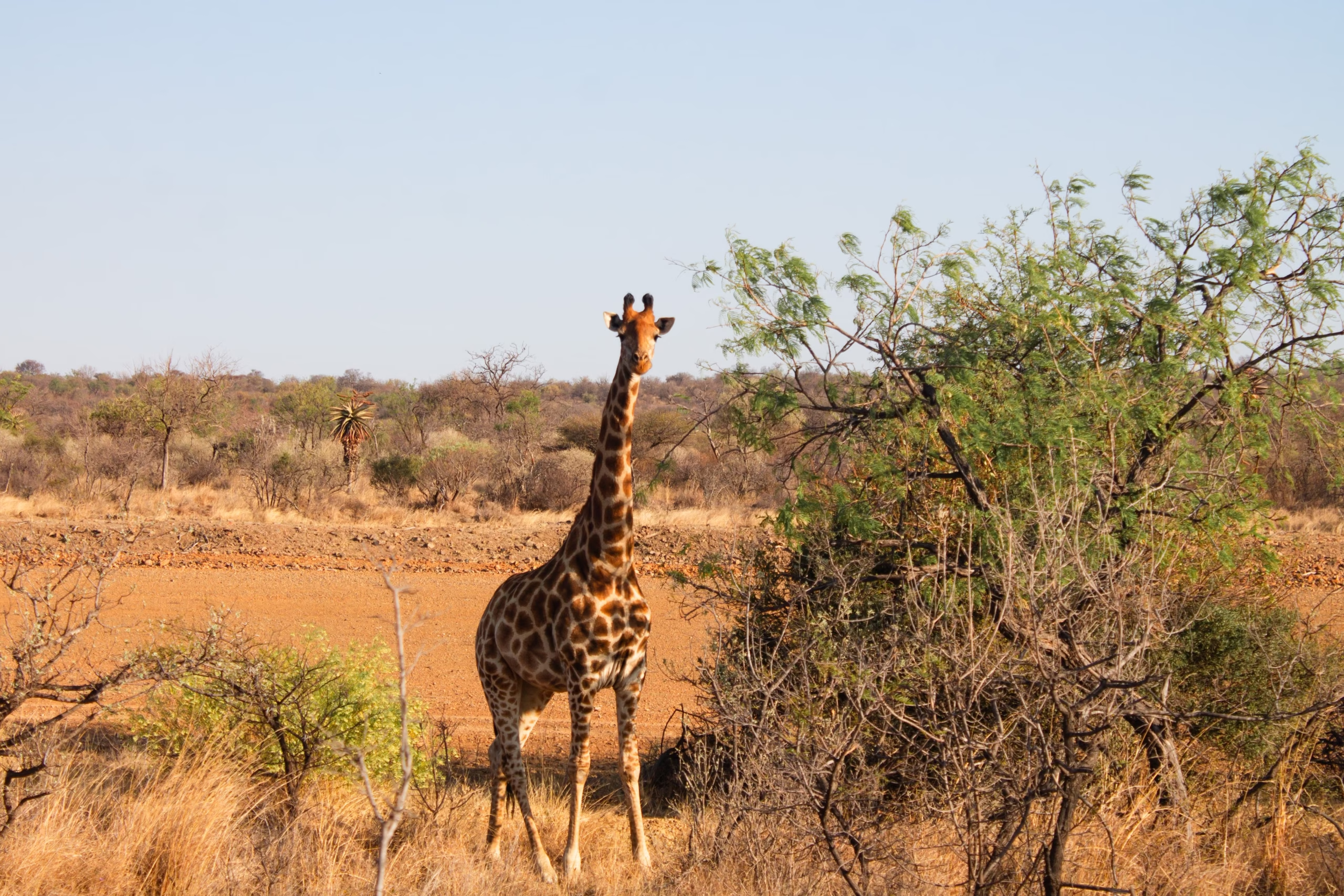
To help you decide which wildlife reserve fits your schedule, here is a quick comparison of the top destinations accessible from the capital. Travel times depend on border queues and seasonal road conditions.
| Reserve / Park | Distance from Gaborone | Approx. Drive Time | Key Wildlife & Terrain | Access Type |
|---|---|---|---|---|
| Mokolodi Nature Reserve | 10–15 km south | 20 minutes | White rhino, giraffe, cheetahs, Lake Gwithian | Day visitors & overnight stay |
| Madikwe Game Reserve (South Africa) | ~40 km southeast | 45 mins (+ border time) | Big Five, wild dog, brown hyena, open savannah | Lodge residents only (No casual day gates) |
| Mashatu Game Reserve (Tuli Block) | 535 km northeast | 7 to 8 hours | Elephants, lions, leopards, riverine forests | Lodge residents & guided safaris |
| Lepokole Hills (Bobonong) | ~420 km northeast | 5.5 to 6 hours | Granite rock formations, San rock art, leopards | Public cultural heritage site |
Mokolodi Nature Reserve: The Immediate Southern Neighbor
Situated roughly 10 to 15 kilometres south of Gaborone, Mokolodi Nature Reserve is the most accessible wildlife escape for city dwellers. You simply drive down teh main Lobatse highway, turn off near Plot 86, and within twenty minutes you swap tarmac for red dust. Established in 1994 by the Mokolodi Wildlife Foundation on 3,700 hectares of donated land, this non-profit reserve protects riverine terrain, rocky outcrops, and the waters of Lake Gwithian.
Mokolodi has a family-friendly atmosphere that makes it a favourite spot for weekend bush braais and light game drives. Unlike larger national parks, Mokolodi offers specialised guided tracking activities. You can join trained rangers to track white rhinos on foot, spend time at the cheetah habitat, or take a guided walk through the acacia scrubland. The terrain is home to giraffes, zebras, kudus, warthogs, and over 300 bird species. If you want to explore self-drive routes or read up on regional driving, review our transportation and driving guide before heading out.
Mokolodi Practical Details:
- Location: Plot 86, Mokolodi, just off the Lobatse Road.
- Booking Office: +267 74 11 1165 | Mokolodi Official Website
- Backpackers Office: +267 74 11 1164
- Amenities: Alexander McCall Smith traditional rest camp, chalets, camping grounds, Lake Gwithian picnic sites, and a bush restaurant.
Golden Hour Tip: Head to Lake Gwithian around 17:00. The low sun turns the granite koppies deep amber while herds of kudu gather along the water’s edge to drink.
Madikwe Game Reserve: Cross-Border Big Five Luxury
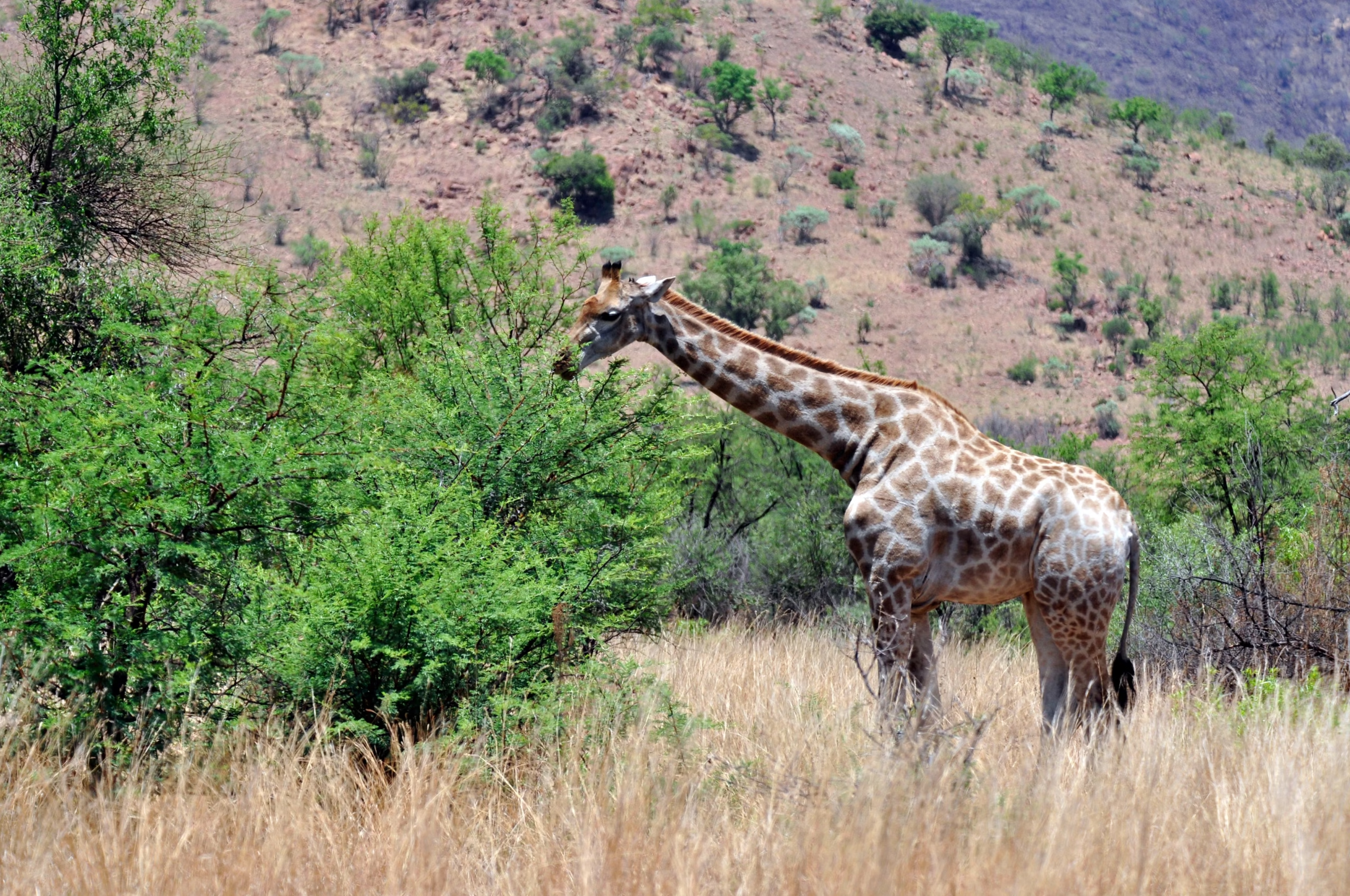
For visitors determined to see the Big Five without traveling all the way to Chobe or the Okavango, Madikwe Game Reserve sits right across the border in South Africa’s North West Province. Located approximately 40 kilometres southeast of Gaborone, the drive to the Kopfontein or Tlokweng border gate takes less than 45 minutes. Once through immigration, you enter an 80,000-hectare malaria-free wilderness of red clay, broad savannahs, and inselbergs.
Madikwe is home to 66 mammal species, including thriving populations of African wild dogs, lions, leopards, elephants, rhinos, and brown hyenas. Birdwatchers can spot nearly 350 species across its woodland and scrub ecosystems. It is critical to know that Madikwe operates under a strict conservation model. There is no general day-visitor gate entry for casual drive-through travelers. Access is strictly reserved for guests staying at private lodges or those who have arranged pre-booked guided day safaris through licensed operators. You can explore curated safari options on our tickets and bookable safari tours page.
Safari Styles in Madikwe
Lodges in Madikwe range from family-oriented tented camps to ultra-luxury private villas. Game drives are conducted twice daily in open 4×4 vehicles with professional field guides. Because day visitors cannot drive themselves through the park, booking an organized tour or overnight package ensures seamless transport from your Gaborone hotel directly to Abjaterskop Gate or Wonderboom Gate along the R49 road.
Border Crossing Logistics
Crossing the border at Tlokweng / Kopfontein requires a valid passport with at least six months validity. If you drive a rental car registered in Botswana, you need a cross-border permit from the rental agency alongside the vehicle registration papers. Check border gate opening times carefully, as late arrivals can leave you stranded on the Botswana side after dark.
Mashatu Game Reserve: The Land of Giants in the Tuli Block
Located in the remote eastern tip of Botswana where the Limpopo and Shashe rivers meet, Mashatu Game Reserve is known as the “Land of Giants.” Covering between 29,000 and 42,000 hectares of private wilderness inside the Northern Tuli Game Reserve, this region feels worlds away from urban life. The landscape has massive sandstone ridges, ancient baobab trees, and vast riverine forests shaded by nyala berry trees.
Mashatu earns its reputation from its colossal elephant herds, which roam freely along dry riverbeds. Predators thrive here too, with frequent sightings of lions, cheetahs, and leopards resting in low branches. Beyond standard vehicle safaris, Mashatu offers active adventures like mountain bike safaris through wild bushveld and horseback trails. Official regional travel details are available through the Botswana Tourism Organisation portal.
Underground Hide Experience: Photographers should book sessions at the Matebole Hide. Sitting at water level while wild elephant herds drink inches from your lens is an extraordinary perspective that wildlife photographers dream of.
Lepokole Hills: Stepping Back into Ancient Granitic History
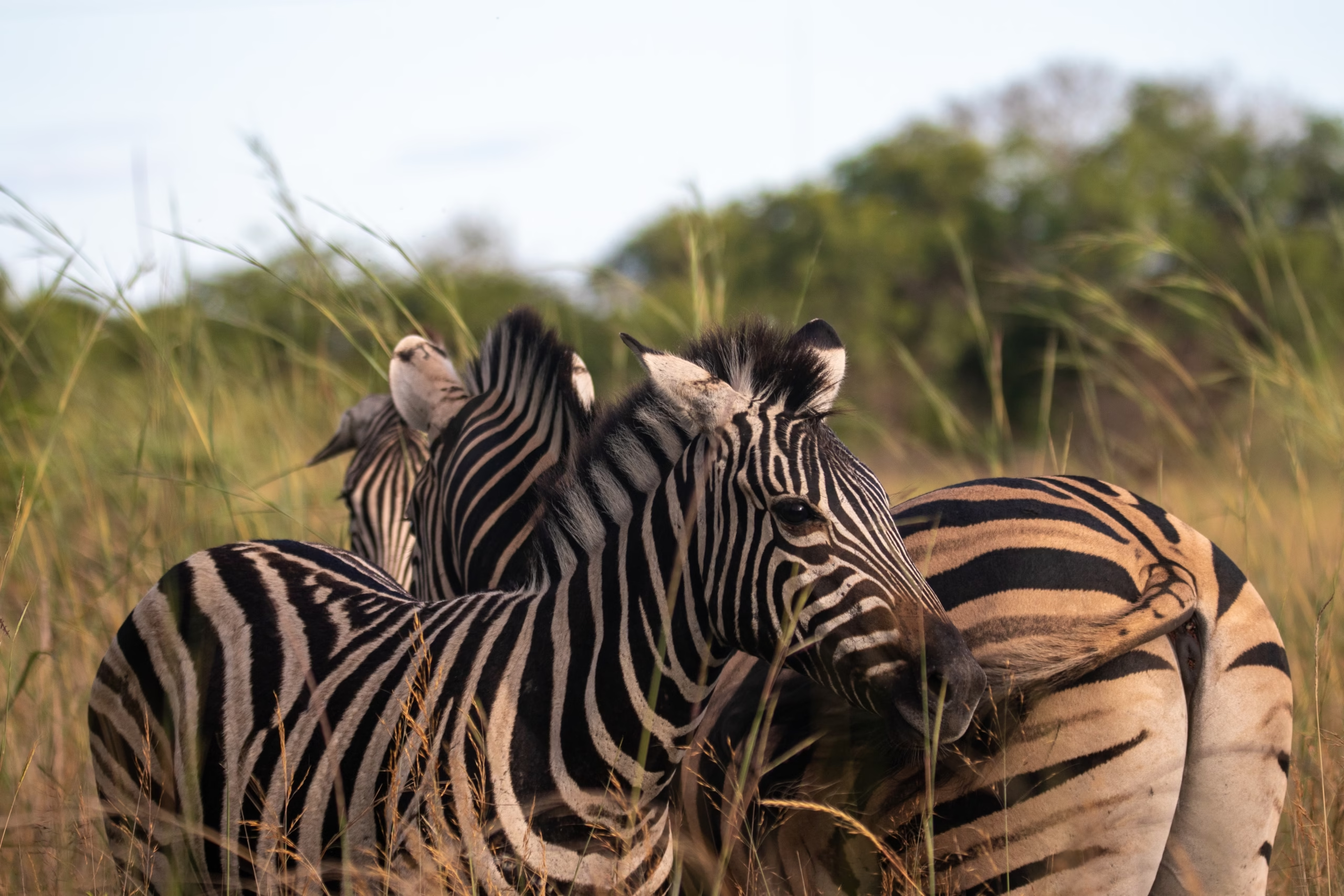
If your interest lies in history and hiking rather than big game drives, the Lepokole Hills present a fascinating destination. Located in eastern Botswana near Bobonong village, roughly 25 kilometres northeast of the settlement, these colossal stacked granite blocks form the southernmost extension of Zimbabwe’s famous Matopos Hills.
Hiking through the granite kopjes reveals pristine San rock art, stone age tools, and ancient grain bins preserved under rock shelters. The hills support elusive leopards, klipspringers, and baboons, while rock kestrels wheel through the thermals overhead. Visiting Lepokole requires a longer drive from Gaborone, making it best suited for a extended weekend trip combined with visits to local villages. For details on cultural customs when visiting rural villages, see our guide to top attractions and culture in Gaborone.
Scrambling up the granite ridges of Lepokole as dusk falls gives you a profound look into thousands of years of human habitation in the hard bushveld.
Essential Cross-Border Travel & Driving Logistics
Planning a day trip or weekend road trip out of Gaborone requires basic preparation. Highway driving across Southern Botswana is generally smooth along major paved arterial roads, but livestock like cows, goats, and donkeys frequently wander onto asphalt. Night driving outside urban centers should be avoided entirely.
- Border Documentation: Carry your passport, driver’s license, and original vehicle registration documents. If driving a rented vehicle, secure a stamped letter of authority from the hire company allowing cross-border entry into South Africa.
- Vehicle Tolls & Taxes: Border crossings involve small road transport levies payable in local currency or by credit card at major posts. Keep cash handy for smaller gates.
- Safety Precautions: Botswana is safe for international travelers, but standard precautions apply when parking at border towns or rural stops. Read our complete guide on Botswana safety tips for tourists to prepare.
- Park Guidelines: Respect speed limits inside reserves, never alight from your vehicle outside designated picnic spots, and review our visitor rules and wildlife guidelines before entering any protected zone.
Packing for a Regional Day Trip
Dust, sun, and variable temperatures are the three constants of safari travel near Gaborone. Summer afternoons bring intense heat and sudden thunderstorm downpours, whilst winter mornings require thermal layers before the sun warms the savannah.
Camera Gear & Optics
Bring a telephoto lens (at least 300mm) for capturing shy wildlife across open grass plains. Keep lens cleaning kits in your bag, as fine red dust penetrates unsealed camera bodies quickly on open vehicle drives.
Bush Comfort Essentials
Pack neutral-colored clothing (tan, khaki, olive green), avoiding bright whites or dark blues which attract tsetse flies in dense brush. High SPF sunscreen, wide-brimmed hats, reusable water bottles, and a pair of 10×42 binoculars are indispensable.
Choosing Your Ideal Escape Based on Time and Interest
Matching your destination to your travel schedule makes all the difference when leaving Gaborone. If you only have a single afternoon available between business meetings, driving 20 minutes to Mokolodi Nature Reserve or spending two hours observing monkeys and antelopes in the urban park at the Gaborone Game Reserve wildlife guide offers maximum wildlife viewing with minimal driving effort.
If you have a full weekend, crossing into Madikwe for a luxury Big Five safari delivers an unforgettable African wilderness experience right on Gaborone’s doorstep. For those with three or four days to spare, journeying northeast to Mashatu or exploring the ancient granitic landscape of Lepokole Hills showcases the vast diversity of Botswana’s countryside. After your safari drive, return to the capital to recharge and sample traditional Batswana dishes like seswaa or bogobe, which you can read about in our Botswana local food and cuisine guide.
Before heading out on your journey, check our visitor FAQ and practical advice page to verify seasonal weather patterns, entrance fees, and regional travel updates.