Cultural Etiquette in Botswana: What to Wear and How to Fit In
Living in Gaborone as a British expat teaches you quickly that daily life runs on a rhythm separate from European rush hours. Step out of your apartment to head toward the Gaborone Game Reserve or the city center, and the atmosphere feels measured rather than hurried. Urban towers and modern coffee shops sit alongside traditional customs that have governed social life across Southern Africa for generations. Citizens of Botswana are called Batswana in the plural, while an individual citizen is a Motswana. The nation itself is Botswana, and the national language is Setswana. Navigating this environment comfortably requires looking beyond capital city conveniences and understanding the quiet social rules that bring people together.
Understanding Botho: The Philosophical Foundation of Batswana Society
At the core of social life in Botswana is botho, a philosophy rooted in humanism, community cohesion, and mutual respect. You encounter it continuously across Gaborone, from market stalls near Main Mall to calm walking trails near the reserve boundary. It is not mere politeness: it is a deep recognition of human dignity. When a Motswana asks about your morning before conducting business, they are establishing a personal connection. Rushing straight into a transaction damages teh warmth of that interaction, so taking a moment to acknowledge the person standing in front of you is essential.

The Sacred Art of the Greeting: Why You Never Just Ask for Directions
Skipping a greeting before asking for directions or making a purchase is considered genuinely impolite. Whether you approach a park ranger near the gate or a taxi driver along the highway, every conversation must start with a proper greeting. Use “Dumela” when speaking to one person, or “Dumelang” when addressing a group. To show proper courtesy, add “Rra” when speaking to a man (Dumela Rra) or “Mma” when speaking to a woman (Dumela Mma). Follow this immediately with an inquiry about their well-being, such as “O kae?” (How are you?) or “O tsogile jang?” (How did you wake up?). Taking those few extra seconds changes the whole tone of your conversation.
Local tip: Never rush a greeting in Botswana. Inquiring about someone’s health and day before asking your main question shows that you respect their humanity over your schedule.
Mastering the Local Handshake: Physical Etiquette and Respecting Personal Space
Handshakes in Botswana carry cultural weight and follow a distinct physical rhythm. The traditional gesture begins with a standard right-handed clasp, followed by a slight shift of thumbs, and finishes back in the original clasp. Crucially, when extending your right hand, place your left hand lightly under your right forearm or elbow. Supporting your arm in this manner signifies humility and deep respect. Physical touch between relative strangers is otherwise restrained in public spaces, though warm handshakes among acquaintances can linger comfortably throughout a short conversation.
Dress Code Principles: Navigating Modesty, Climate, and Urban versus Rural Styles
Selecting appropriate clothing means balancing the semi-arid climate with conservative social expectations. Gaborone features plenty of contemporary style, yet modest attire remains standard practice in public life. Shorts and casual t-shirts are common around shopping malls, but visiting traditional village settings, government offices, or sacred spaces requires covering your shoulders and knees. Lightweight linen trousers, long skirts, and breathable shirts work exceptionally well during hot afternoons whilst offering protection from the intense Kalahari sun.
What NOT to Wear: Avoiding Camouflage and Inappropriate Resort Wear
Certain clothing items cause genuine legal or cultural trouble in Botswana. Military-style camouflage clothing is strictly prohibited for civilians by law, so leave camo trousers, hats, and jackets at home. Resort wear like swimwear and revealing sarongs should stay strictly beside hotel swimming pools or private safari lodges. Visitors often ask, can I wear black in Botswana? In urban environments like Gaborone, black clothing is perfectly fine, though it absorbs solar heat rapidly under the midday sun. Out in the bush, however, black and dark navy garments attract biting insects such as tsetse flies, so neutral earth tones like beige, khaki, and olive remain far more practical.
Social Norms Reference Guide
| Context / Situation | Appropriate Behavior | What to Avoid |
|---|---|---|
| Greeting Locals | Say “Dumela Mma/Rra” and support your right forearm with your left hand. | Rushing directly to business or questions without asking about well-being. |
| Town & Office Attire | Smart-casual clothing, covered shoulders and knees in civic spaces. | Wearing military camouflage patterns or sheer beachwear in public. |
| Photography | Request clear verbal permission before taking photos of individuals. | Photographing government buildings, border posts, or elders without consent. |
| Traditional Dining | Wash hands in the provided basin; accept offered food gracefully. | Using your left hand exclusively to pass dishes or declining food bluntly. |
Photography Protocols: Asking Permission and Respecting Boundaries
Photographing people requires explicit permission across Botswana. Golden hour light framing the landscape near the reserve gate creates tempting opportunities, but framing local residents without asking causes offense. Always ask, “May I take a photo?” before taking a shot of market vendors, children, or elders. If someone declines, accept their choice with a warm smile. Furthermore, photography near government installations, military infrastructure, or border control checkpoints is strictly banned under national security laws monitored by the Government of Botswana.
Respecting Elders, Traditional Authorities, and the Kgotla System
Respect for elders forms a cornerstone of Batswana society. Older community members are addressed deferentially, and younger people customarily offer their seat or yield space in public gatherings. Traditional governance revolves around the kgotla, a communal council and court space where village matters are discussed openly under the leadership of a chief (Kgosi). If you visit a traditional settlement outside Gaborone, such as Manyana or Mochudi, adhere strictly to local dress codes, remove hats, and keep your voice calm and respectful. For further details on regional travel safety while visiting traditional areas, review our Botswana travel safety guide.
Dining and Food Customs
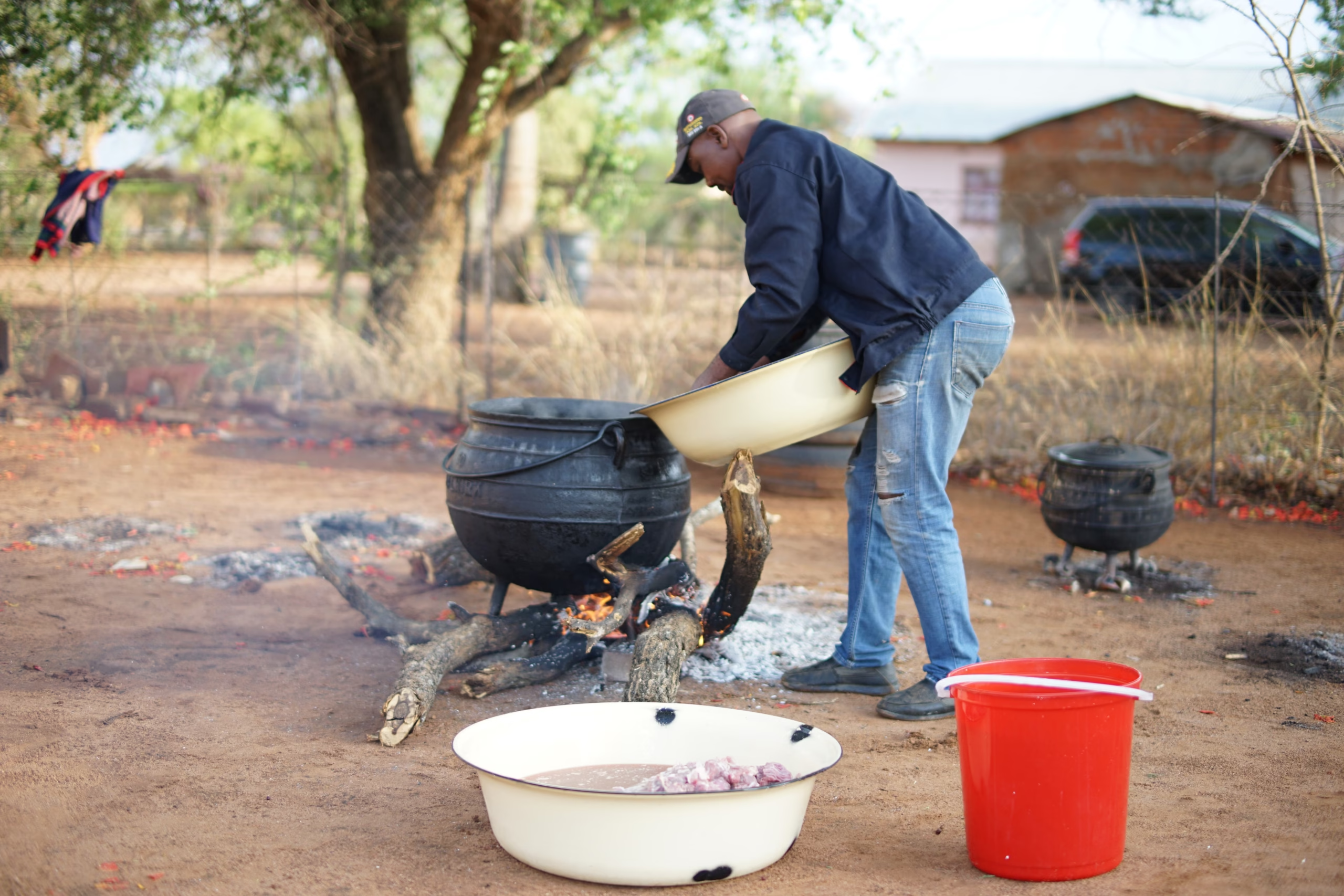
Sharing meals is a meaningful social bond in Botswana. When served traditional dishes like seswaa (slow-cooked pounded beef) or bogobe (sorghum porridge), wash your hands thoroughly in the basin provided before sitting down. Eat using your right hand or standard cutlery. Declining offered food can seem ungracious, so taking a small portion to sample is always appreciated by your host. You can learn more about local culinary traditions in our overview of traditional food in Botswana.
Interacting with Indigenous Communities
Interactions with San (Basarwa) communities require genuine sensitivity and ethical awareness. Avoid treating indigenous culture as a commercial photo opportunity. Support community-led tourism initiatives that direct financial benefits directly back to local families. Genuine cultural exchange relies on active listening and recognizing the profound historical relationship these communities maintain with the land.
Language Etiquette: Simple Setswana Phrases That Change Everything
English is widely used throughout commercial and administrative sectors in Gaborone, making basic communication straightforward for international visitors. However, making an effort to speak Setswana opens doors and builds immediate goodwill. Memorize basic phrases to show that you value local heritage:
- Dumela Rra / Mma: Hello Sir / Madam (singular)
- Dumelang: Hello everyone (plural)
- Ke a leboga: Thank you (very respectful)
- Le kae?: How are you all?
- Tsamaya sentle: Go well (said to someone leaving)
- Sala sentle: Stay well (said to someone remaining)
Shopping, Supporting Local Artisans, and Fitting In Safely
Exploring craft centers or city markets yields beautifully crafted basketry, pottery, and leatherwork. Bargaining in Botswana differs significantly from north African markets: aggressive haggling is considered poor taste. Polite negotiation is fine, but prices reflect real manual labor, so fair payment supports local households directly. Independent travelers occasionally inquire, how safe is Botswana for white tourists? Botswana is widely recognized as one of the most stable and welcoming destinations on the continent. Foreign visitors of all backgrounds travel comfortably throughout the country, provided they exercise normal street smarts and adhere to local social norms. For specific details on getting around the capital safely, consult our transportation guide and overview of top attractions in Gaborone.
Cultural integration here is not about flawless performance. It is about demonstrating that you care enough to honor the people whose homeland you are visiting.
Practical Tips for Handling Mistakes Gracefully
Everyone makes occasional cultural missteps when adapting to a new country. If you forget to support your arm during a handshake or omit a formal greeting when asking for park entrance details, do not panic. Batswana are famously forgiving of visitors who act with good intentions. A gentle smile, a sincere apology, and a prompt attempt to correct your error will resolve any minor awkwardness instantly. When planning your park trip, remember to check the official visitor rules and guidelines before arriving.
By adopting these simple habits, your journey through Gaborone evolves from a standard sightseeing trip into a deeply rewarding cultural exchange. The calm respect you offer will be returned warmly by everyone you meet, turning daily encounters into lasting memories of a country that holds hospitality at the core of its identity.