Understanding Botswana: Economy, Society, and Culture Explained
Many travelers arrive in Southern Africa expecting a singular narrative of safari wilderness, missing the structured human systems that make the region function. Botswana occupies a unique space on the continent, operating as a stable, upper-middle-income democracy with a distinct political trajectory. Moving beyond the acacia bushveld and the quiet edges of teh capital, understanding the country requires looking closely at its economic foundations, its societal frameworks, and the philosophy guiding its daily life. If you are planning to explore Gaborone or take an afternoon trip to the Gaborone Game Reserve, grasping these structural realities deepens your appreciation for how the nation operates.
From Protectorate to Sovereign Nation
The modern state traces its roots to the Bechuanaland Protectorate, established in 1885 by the British Empire largely as a strategic buffer zone. Unlike many neighboring territories, the protectorate experienced minimal European settlement, which allowed traditional leadership structures to remain intact throughout the colonial period. Through strategic diplomatic efforts led by tribal chiefs such as Khama III, local leaders prevented incorporation into South Africa or Rhodesia. When independence arrived in 1966, the Republic of Botswana inherited very little physical infrastructure and minimal state funds. If you look at historical accounts, the country ranked among the poorest nations globally at independence, a stark contrast to how visitors experience modern Gaborone today.
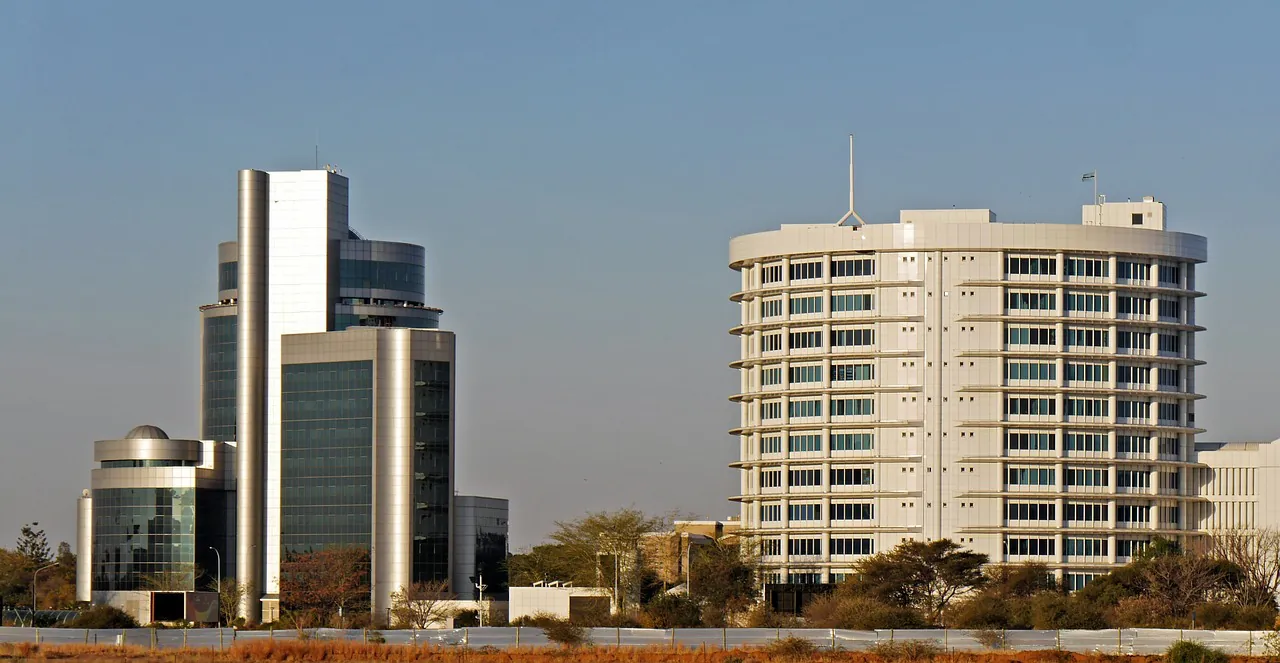
The Diamond Engine and Economic Classification
The discovery of diamond pipes at Orapa shortly after independence transformed the national ledger. Rather than falling prey to the resource mismanagement that affected other mineral-dense territories, the government formed an equal 50-50 joint venture with De Beers, named Debswana. This arrangement ensured that a major portion of diamond revenues moved directly into public spending, funding free state education, healthcare facilities, and asphalt road networks across the Kalahari. For complete details on national budgetary allocations and economic policy, the Republic of Botswana Official Government Portal offers public documentation.
When travelers ask whether is botswana rich or poor, the macro figures categorize it as an upper-middle-income nation with a nominal GDP around $19.19 billion to $19.93 billion and a per capita income near $6,800. This places Botswana far above what is the poorest country in Africa in economic output, yet the wealth remains concentrated around government reserves and mining assets rather than distributed evenly among all citizens.
Diversification, Inflation, and Cost of Living
Relying exclusively on gem extraction presents clear vulnerabilities when global commodity demand shifts. National planners now prioritize expanding non-mining sectors, including financial services, commercial cattle farming, and eco-tourism. The Bank of Botswana, headquartered on Khama Crescent, maintains strict monetary discipline by managing the Pula currency basket to curb inflation spikes. Latest metrics from Statistics Botswana show annual inflation hovering near 9.4 percent, while national unemployment sits around 27.6 percent.
Visitors often query if is it expensive to live in Botswana; whilst imported consumer goods and safari lodges carry premium pricing, daily costs for domestic goods and local dining stay reasonably low. You can discover more about dining options in our overview of traditional Botswana cuisine, or review our guide on travel safety precautions when exploring city centers.
| Economic Indicator | Current Status | Strategic Focus |
|---|---|---|
| Primary Export | Diamonds & Minerals | Local sorting, cutting, and value addition |
| Currency Regime | Pula Basket Peg | Managing inflation and currency stability |
| Development Blueprint | Vision 2036 | Transition to a knowledge-based economy |
| Unemployment Rate | ~27.6% (Stats Bots) | Job creation in private service sectors |
Cultural Identity and the Philosophy of Botho
Beyond fiscal figures, daily interaction across the country rests on a shared cultural bedrock. The multi-ethnic population uses Setswana as a national language alongside English, unifying communities including the Kalanga, Khoe, and San. Central to social life is the philosophy of Botho, a Setswana term reflecting human interdependence, respect, and collective dignity. Similar to the regional concept of Ubuntu, Botho means that an individual’s wellbeing connects directly to the well-being of others around them.
Botho is not merely a polite phrase; it acts as an active code for civic duty and community respect that connects rural villages with modern urban centers.
The Kgotla System in Modern Governance
Traditional leadership exists directly alongside parliamentary democracy through the kgotla, a traditional community assembly that serves as an open floor for local debate, judicial hearings, and policy discussions. In every village, the kgotla offers a space where any resident can voice concerns, resolve disputes, and build community consensus. It remains a living institution that modern government officials regularly visit when introducing new public programs. It is a civic tradition that local people take immense pride in.
Urban Growth in Gaborone
Gaborone operates as the commercial heart, blending corporate office parks with traditional government ministries. To explore urban sights beyond the game reserve, see our guide to top attractions in Gaborone.
Rural Pastoral Traditions
Outside the main cities, cattle ownership and small-scale agriculture remain central to family livelihoods, backed by traditional land board allocation systems.
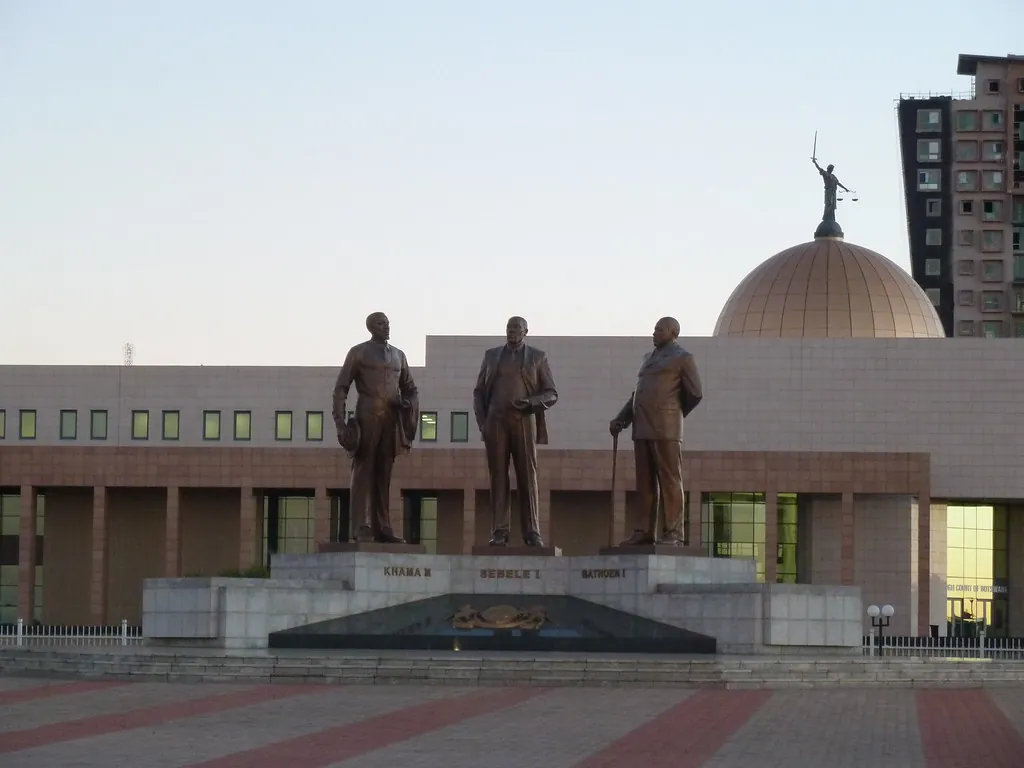
Vision 2036 and Long-Term Goals
The strategic blueprint known as Vision 2036 outlines the nation’s pathway from a resource-dependent state toward a high-income, knowledge-based economy. Key priorities include investment in digital connectivity, green energy initiatives, and advanced vocational training. Policy shifts aim to attract foreign enterprise whilst protecting local employment opportunities for young graduates. Understanding these structural goals helps visitors contextualize the orderly public spaces, clear municipal rules, and quiet civic order encountered across Gaborone.
If you plan to visit local reserves or navigate urban transport during your stay, refer to our practical guides on how to get to the game reserve, check standard park safety and rules, or explore detailed lists of local wildlife species and entry fee details.
Further Reading and External Resources
For additional analysis on Southern African trade frameworks and economic research, consult the Trade Law Centre portal or follow regional reporting through the BBC Africa News Portal. These resources offer context on how regional integration shapes economic policy across Southern Africa.