A Taste of Botswana: Popular Local Foods and Traditional Dishes
From Savanna Trails to the Dinner Table in Gaborone
After spending an early morning watching zebras and warthogs move through the thornveld at the Gaborone Game Reserve, my appetite usually points me straight toward the center of town. Returning to the capital’s paved avenues after quiet hours in the bush brings a stark contrast. Modern office towers sit against dusty skies, yet the aromas drifting from street corners and backyard kitchens tie the city firmly to its rural roots.Food in Botswana reflects a deep respect for cattle, hard-grained drought crops, and communal gatherings. When visitors ask what is a popular food in botswana, the answer always begins with simple, hearty staples shaped by the dry climate of the Kalahari Desert.Simplicity, Hearth, and Community
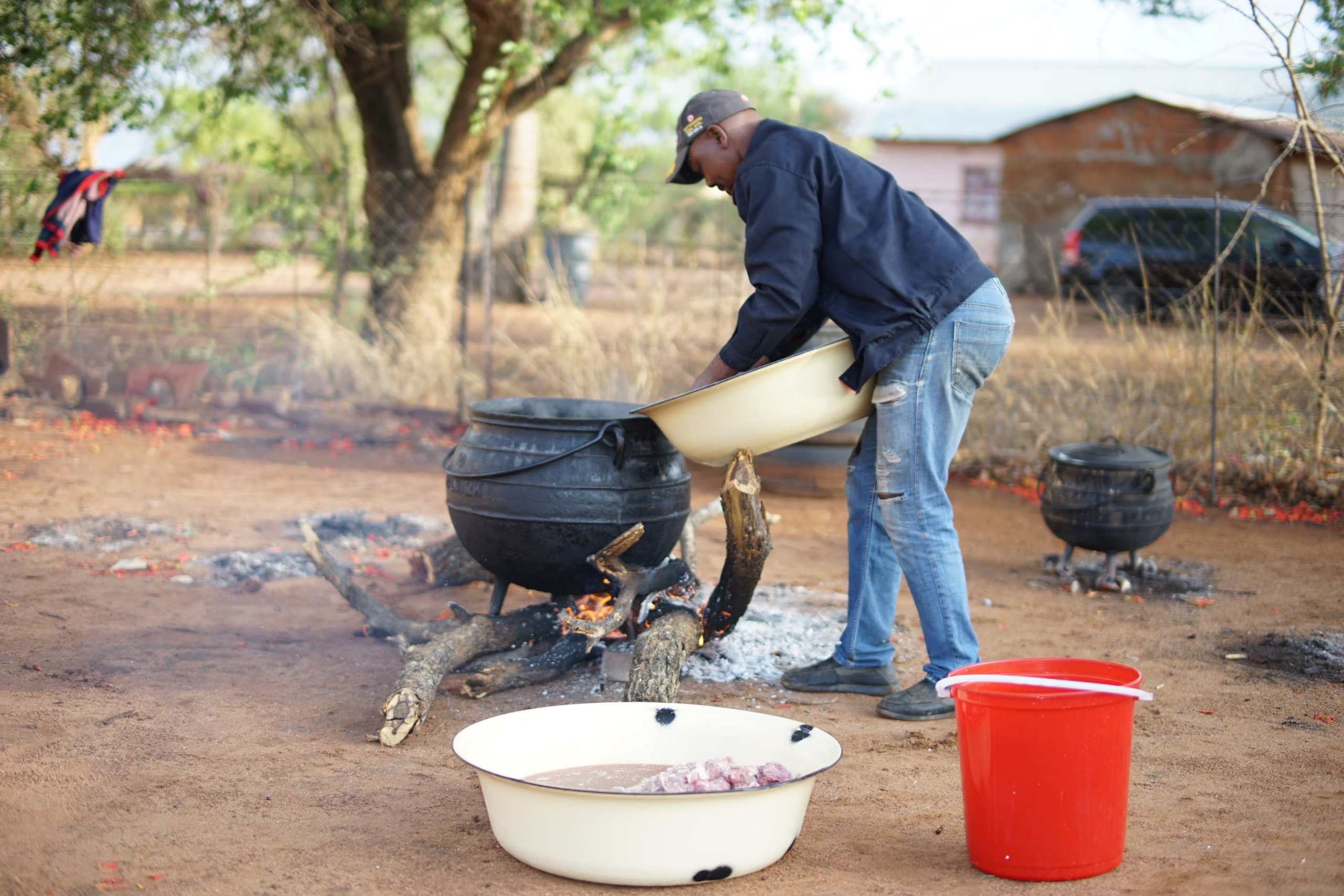
Traditional Batswana cooking relies on patience rather than elaborate spice cupboards. Salt, water, slow wood fires, and cast-iron three-legged pots form the foundation of almost every classic recipe. Cooking is an unhurried affair, designed to turn tough cuts of meat and dense grains into rich, nourishing meals.In Setswana culture, meal preparation is inherently social. Large iron cauldrons sit over open fires at family gatherings, weddings, and community meetings. The warmth of the hearth creates a natural gathering space that cooks sit around and chat beside.Seswaa: The Tender Heart of Batswana Heritage
Seswaa is cooked with nothing more than meat, water, and salt. Its richness comes entirely from hours of slow simmering over open wood embers.
Sorghum and Maize: The Essential Grains
No plate of seswaa is complete without a solid portion of grain. Sorghum, known locally as mabele, is the ancestral grain of Botswana. It thrives in arid soils where maize often struggles during dry spells. Sorghum is ground into a fine flour to prepare bogobe, a dense porridge with a comforting, earthy taste.When sorghum flour is fermented before cooking, it creates ting. Ting has a distinctive sour profile that balances fatty meats perfectly. Maize meal, commonly referred to as pap, provides another popular base, while coarser maize grits are prepared as phuthu for a lighter, crumbly texture.Morogo: Balancing Meat with Wild Greens
Heavy meats and dense grains need a fresh element, which comes in teh form of morogo. The word refers broadly to indigenous leafy greens and wild spinach varieties gathered during the summer rains.Women in rural areas harvest tender green leaves from pumpkin vines, cowpea plants, and wild brassicas. The leaves are washed, boiled with salt, and often sautéed with chopped tomatoes or ground peanuts. Morogo brings an earthy bitter edge that cuts through the heaviness of pounded beef, offering a vital balance of vitamins.Bogobe jwa Lerotse: The Festive Melon Porridge
One of the most unique culinary creations in Botswana is bogobe jwa lerotse. The key ingredient is lerotse, an indigenous melon that resembles a watermelon on the outside, but features orange flesh with a mild, tangy taste.Cooks chop the melon flesh into pieces and boil it until it breaks down into a fragrant liquid. Sorghum flour is then gradually whisked in alongside sour milk or mayonnaise, turning the mixture into a thick, pale orange porridge. The dish offers subtle melon flavous with a smooth, velvety finish, making it a favorite at traditional celebrations across Gaborone.Street Food Comforts: Fat Cakes and Dumplings
For quick meals on the move, street stalls near taxi ranks and commercial hubs offer warm fried bread. Vetkoek, widely known locally as fat cakes (magwinya), is deep-fried yeast dough with a crispy golden exterior and a pillowy center. Local workers grab them early in the morning alongside hot tea or filled with savory minced beef.Another favorite snack is matemekwane, which are steamed flour dumplings stuffed with seasoned meat or cooked directly inside rich beef gravy. These simple treats keep the city moving during busy morning commutes.The Weekend Braai Tradition
On weekends, the smoke rising over Gaborone signals the start of the braai. Grilling meat over open fire is a cherished social ritual across southern Africa. In Botswana, local grass-fed beef takes center stage, seasoned with salt and cooked over high heat.Braai gatherings bring friends together at local parks, outdoor car washes, and residential gardens. Plates arrive piled high with boerewors sausages, grilled lamb chops, and thick cuts of rump steak, served alongside pap and spicy chakalaka relish.Top Places to Experience Local Dining in Gaborone
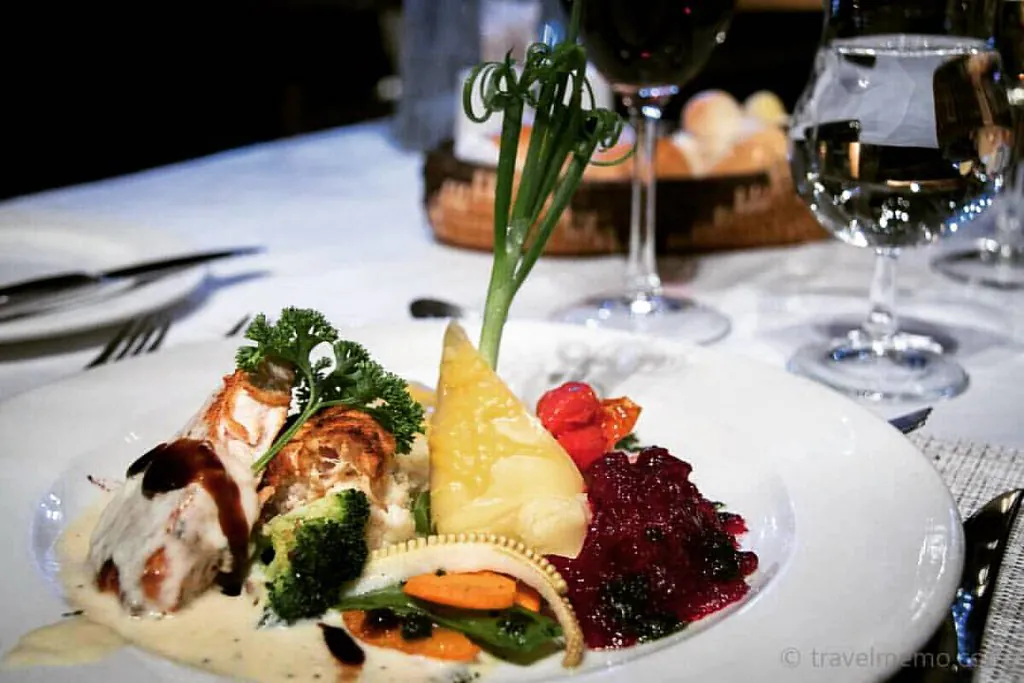
- The Courtyard Restaurant at Botswanacraft: Located along Magochanyama Road, this open-air garden spot serves set traditional plates in mini three-legged iron pots. You can sample seswaa, stewed pumpkin leaves, and sorghum porridge in a relaxed cultural setting. Check current menu updates on the Botswanacraft Official Website.
- Mokolwane Bistro at The Grand Palm: Known for its Sunday spreads, this restaurant features traditional carveries, slow-cooked stews, and local side dishes within a resort environment.
- Savuti Grill at Avani Gaborone Resort: Offers a combination of international dishes and traditional Batswana roasts. Visit the Avani Gaborone Resort page for dining schedules.
- Local Main Mall Eateries: Informal lunch spots and street kitchens near the city center serve generous daily plates of seswaa, rice, morogo, and butternut squash at budget prices.
Traditional Batswana Dishes and Pricing Guide
| Dish Name | Key Ingredients | Cultural Context | Estimated Cost (BWP / USD) |
|---|---|---|---|
| Seswaa (Tshotlo) | Beef or goat, water, coarse salt | National dish served at weddings and celebrations | 40–90 BWP ($3–$6.50) |
| Bogobe jwa Lerotse | Sorghum flour, lerotse melon, sour milk | Festive porridge with a subtle melon flavour | 30–60 BWP ($2.20–$4.50) |
| Ting | Fermented sorghum flour, hot water | Slightly sour daily porridge served with meat | 20–40 BWP ($1.50–$3.00) |
| Morogo | Wild greens, pumpkin leaves, tomatoes | Nutritious leafy vegetable side dish | 15–30 BWP ($1.10–$2.20) |
| Magwinya (Vetkoek) | Fried yeast dough | Popular morning street food snack | 5–15 BWP ($0.40–$1.10) |
| Hotel Buffet Lunch | Full spread of traditional meats and grains | Available at resort restaurants on weekends | 150–300 BWP ($11–$22) |
Practical Dining Advice for Visitors
Navigating Menus and Portions
Traditional meals in Gaborone are generous and starch-heavy. When ordering at local eateries, plates usually feature one main meat dish accompanied by two choices of starch (such as pap or sorghum) and a green vegetable like morogo. Menus are often displayed on blackboards written in a mix of Setswana and English. Staff are happy to explain daily options to international visitors.Dining Etiquette and Safety
Washing hands before meals is standard practice, especially when enjoying street food or eating with family. While international credit cards are accepted at major hotel outlets and established restaurants like Botswanacraft, smaller street vendors and local lunch counters require cash in Botswana Pula (BWP). For broader safety and neighborhood guidelines while walking between eateries, refer to our overview on Is It Safe to Travel to Botswana Right Now?. Official destination travel guidelines are also accessible via the Botswana Tourism Organisation portal.Explore Gaborone Guided Food & Cultural Tours
Top Rated
Private Tour
🇺🇸
Gaborone City Tour (Half Day tour)
Top Rated
Private Tour
2 Day City Safari Game Drive and Scenic Boat Cruise
Adventure Seekers
Private Tour
🇺🇸
Cape Town:Aquila Game Reserve Safari with Wine Tasting and Lunch
Local Favorite
🇺🇸
Half Day Tour from Gaborone (Manyana Village Visit)
Adventure Seekers
🇺🇸
Aquila Big Five Game Reserve Safari with options from Cape Town
Adventure Seekers
Private Tour
🇺🇸