Living in Gaborone as an expat, I spent my early weeks trying to figure out how a wildlife sanctuary could sit so close to high-rise banks and embassy compounds. The Gaborone Game Reserve was established in 1988 by teh Kalahari Conservation Society to protect 500 hectares of native bushveld right inside the capital limits. International visitors arriving in the South-East District often have practical questions before visiting. Whether you need exact entrance fees, administrative phone numbers, or road clearance details, this guide answers the core questions travelers ask before heading through the gates.
Operating Hours & Best Times to Visit
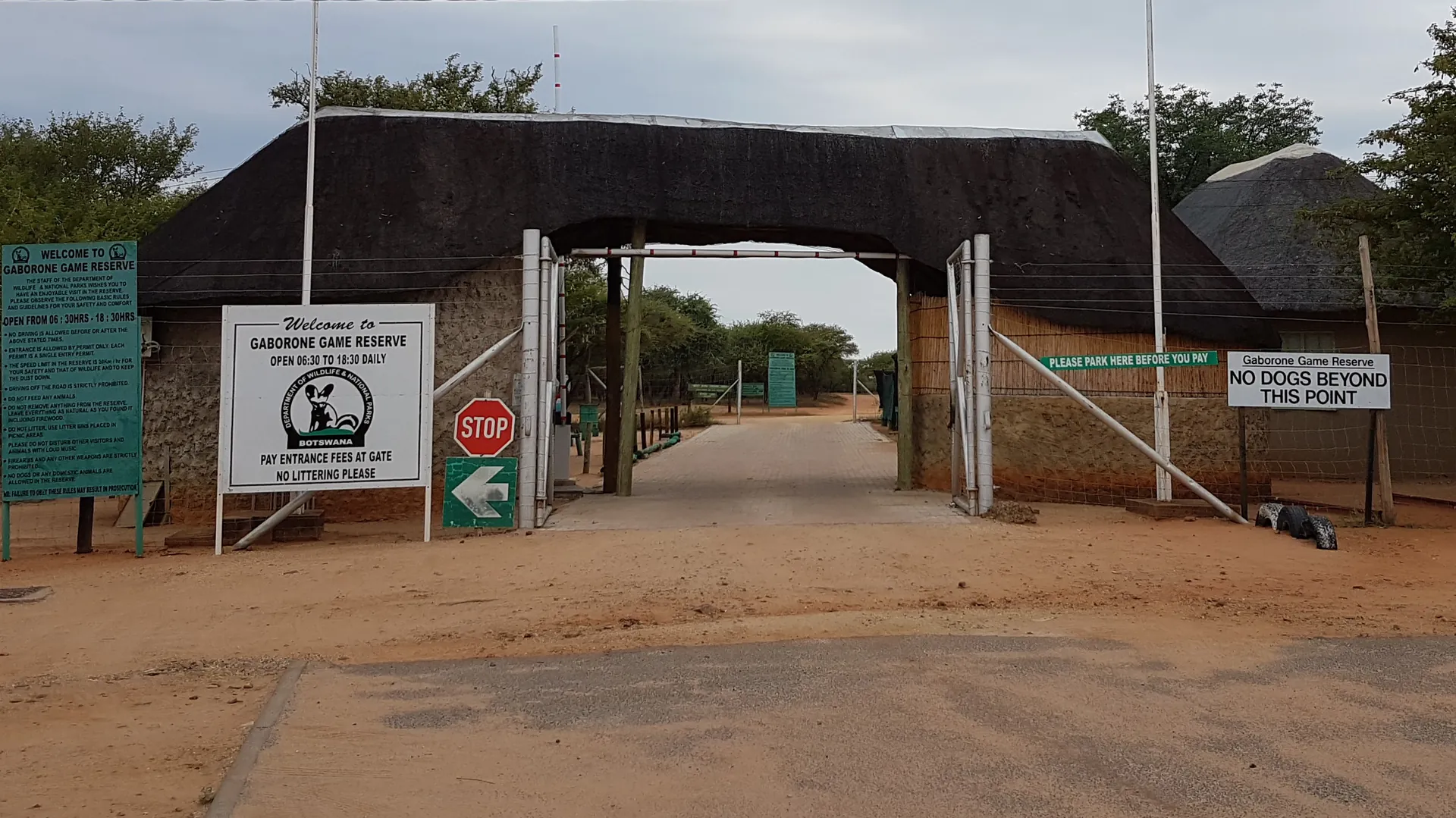
The reserve opens daily to the public, typically operating from 07:30 to 17:30 in accordance with standard Botswana Department of Wildlife and National Parks (DWNP) field schedules. During certain seasons, gate operations align with early sunrise near 06:00 and sunset at 18:00. Arriving right at opening time gives you the quietest conditions to observe game. Midday heat drives most mammals into thick acacia scrub, making early morning and late afternoon the rewarding windows for game viewing.
Photographers will find the hour before closing exceptional. Sunlight drops low over the thorn trees, illuminating zebra herds and grazing antelopes against golden grasses. If your schedule only allows a brief excursion between meetings downtown, setting aside two hours in the late afternoon lets you comfortably drive the circular track and spend twenty minutes inside the bird hide.
Entrance Fees & Payment Methods
Admission fees are kept low to encourage both community access and conservation education. The DWNP sets tariffs based on residency status, distinguishing between Botswana citizens, resident expats, and international tourists. Payment is collected at the entrance gatehouse upon arrival.
| Visitor Category | Individual Entry Fee (approx.) | Standard Vehicle Fee | Notes |
|---|---|---|---|
| International Adults | BWP 50.00 | BWP 10.00 | Valid for single day entry |
| International Children | BWP 20.00 | Included | Under 8 years free |
| Botswana Citizens & Residents | BWP 20.00 | BWP 5.00 | Proof of residence/ID required |
| Educational School Groups | BWP 5.00 | BWP 10.00 per bus | Prior DWNP booking required |
Cash in Botswana Pula (BWP) is the most reliable payment method at the entrance post. While card terminals are installed, remote network dropouts occur regularly. Carrying exact cash saves time at entry. Foreign currencies like US Dollars or South African Rand are not accepted for direct gate payments, so clear your currency exchange at Sir Seretse Khama International Airport or local shopping centers beforehand.
Location & Official Contact Details
The reserve sits approximately one kilometer east of Broadhurst Mall, with its main entry point situated directly off Limpopo Drive in Gaborone. Geographic coordinates for your vehicle navigation system are 24.6282° S, 25.9231° E. The property is managed directly by the central government wildlife body.
Direct Contact Information
If you need to reach administrative staff regarding group visits or filming requests, use the official Government of Botswana wildlife channels:
- gaborone game reserve phone number: +267 318 4492 (DWNP Southern Parks Booking Office)
- Alternative Line: +267 397 1405 (DWNP Main Headquarters)
- gaborone game reserve contact: Inquiries can be handled directly at the Broadhurst gatehouse or through the official Department of Wildlife and National Parks offices downtown.
Emergency & General Assistance
Cellular coverage across the entire 500 hectares is reliable. Mobile networks like Mascom and Orange maintain strong signals throughout the park loops, making it simple to place a call if your vehicle suffers a mechanical issue or flat tyre on the dirt tracks.
Local Tip: When giving instructions to local taxi drivers, ask specifically for the Game Reserve gate on Limpopo Drive in Broadhurst. Some drivers confuse the reserve with Mokolodi Nature Reserve, which sits 15 kilometers south of the city.
Vehicle Requirements & Road Conditions
You do not need a four-wheel-drive vehicle to enjoy the park. Internal dirt tracks are well-graded gravel and fully acessible with standard two-wheel-drive sedans during the dry months from April through October. Summer downpours between November and March create occasional muddy stretches, but park maintenance crews keep main loops cleared for standard cars.
Speed limits inside the gates are capped at 20 km/h. High ground clearance is helpful when crossing drainage dips, but low-slung hatchbacks can complete the circuit if driven with care. Keep an eye out for leopard tortoises crossing the gravel track, as their hard shells blend into the sunbaked soil.
On-Site Amenities & Facilities
Infrastructure within the sanctuary focuses on low-impact observation. Visitors have access to designated public areas near the entry gates and central loop paths. For specific details on park policies and visitor safety, review our comprehensive Visitor Rules and Guidelines.
- Picnic Sites: Shaded wooden tables under thorn trees offer places to rest. Sites are fenced, providing safe spots to take photos or enjoy brought snacks.
- Observation Hides: Elevated wooden hides overlook seasonal marshlands and waterholes, allowing quiet birdwatching without disturbing wildlife.
- Education Centre: A small interpretive centre near the gate displays information on local ecosystems and conservation history in Botswana.
- Restroom Facilities: Clean public toilets are situated near the main entrance complex and education center.
Wildlife Safety & Interaction Rules
The sanctuary harbors diverse fauna including gemsbok, greater kudu, zebra, giraffe, eland, wildebeest, warthog, ostrich, and white rhino. Over 100 bird species live in the riverine woodland. You can explore complete species profiles in our dedicated Wildlife & Nature Guide.
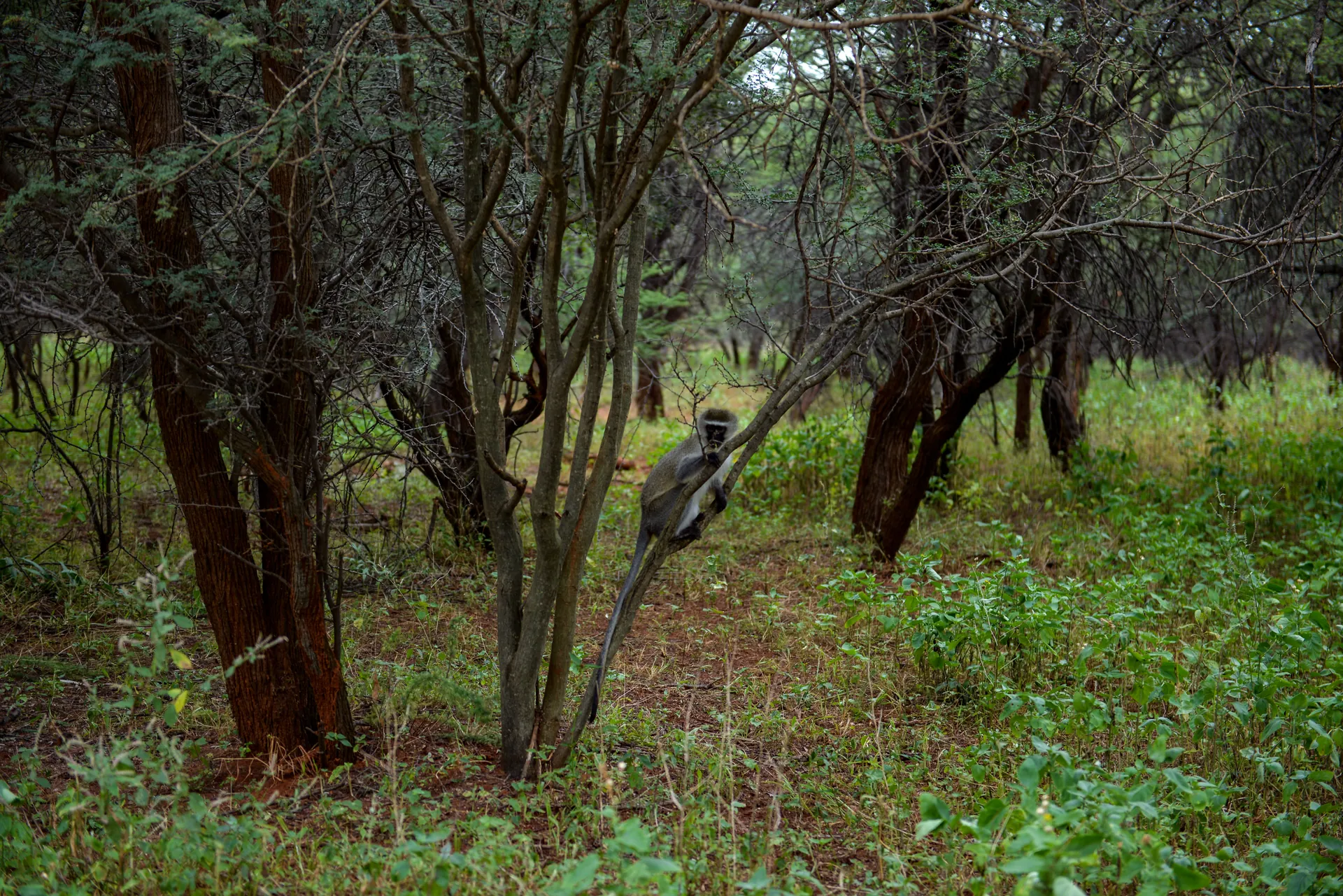
Herbivores roam freely across the property, requiring visitors to stay inside their vehicles along drive loops. Exiting your car is permitted only within designated picnic enclosures and inside wooden bird hides. Vervet monkeys around the picnic tables have grown accustomed to humans and will snatch food left unattended. Never feed the primates, as hand-feeding causes aggressive behavior toward visitors.
Catering & Food Policy
No commercial restaurants, cafes, or snack kiosks operate inside the park grounds. Visitors must bring their own drinking water, cold drinks, and provisions. Staying hydrated is vital in the Botswana sun, so carry extra water bottles even during short winter visits.
Pack out all trash when leaving picnic benches, as plastic bags pose hazards to browsing antelopes. If you prefer to sample authentic local dishes like seswaa (shredded slow-cooked beef) or bogobe (sorghum porridge) after your drive, check our roundup of popular local foods in Botswana for dining options across Gaborone.
Photography Tips for Beginners
Capturing animals in native bushveld requires basic adjustments to handle sharp African sunlight. Midday glare flattens colors and creates heavy shadows under animal flanks, so schedule your photo sessions for early morning or late afternoon light.
A telephoto zoom lens between 70mm and 300mm provides enough reach to frame clear portraits of grazing zebra or ostriches without leaving the marked roads. Turn off your car engine when stopping for a shot to eliminate vehicle vibrations. Resting your camera lens on a beanbag balanced on your open car window produces steady shots during long watches near waterholes, which I often take photos of.
Patience inside the wooden hides yields the best avian shots. Sit quietly for fifteen minutes, and kingfishers, herons, and weavers will resume their natural patterns around the water edge.
Family-Friendly Considerations
The compact nature of the park makes it an excellent wildlife stop for families with young children. Large national parks like Chobe require full days in a safari vehicle, but this urban reserve allows a self-paced drive completed in two hours. Strollers navigate the paved areas near the education centre easily, though dirt paths near the hides require sturdy wheels.
Keep vehicle windows rolled up partially when driving near monkey troops. Remind children to keep hands inside windows and avoid sudden movements when antelopes graze close to the road shoulder.
Frequently Asked Questions
We answered the most common practical queries sourced from traveler search records and visitor inquiries below.
Is there a game reserve near Gaborone?
Yes, Gaborone Game Reserve is located directly inside the city limits in the Broadhurst area, just 1 km east of Broadhurst Mall. Additionally, Mokolodi Nature Reserve sits roughly 15 kilometers south of the city center, offering two accessible wildlife options close to the capital.
Is it safe to go to Botswana right now?
Botswana remains one of the safest and most politically stable countries in Africa for international travelers. Peaceful governance, low rates of violent crime, and well-managed national parks make it a secure destination. For complete travel security advice, read our guide on Botswana travel safety tips.
What animals are in Gaborone Game Reserve?
The sanctuary protects a variety of non-predatory wildlife including zebra, giraffe, gemsbok, greater kudu, eland, wildebeest, warthog, ostrich, and white rhino. It also supports over 100 recorded species of resident and migratory birds across its acacia scrub and wetland habitats.
What is Gaborone famous for?
Gaborone is famous as the modern administrative capital of Botswana, known for its rapid post-independence development, diamond trading hub, and literary fame via Alexander McCall Smith’s No. 1 Ladies’ Detective Agency series. It is also distinguished by having a dedicated game reserve situated within its municipal borders.
Is Gaborone a safe city to visit?
Gaborone is generally safe for business travelers and tourists, maintaining a peaceful atmosphere compared to larger regional hubs. Normal urban precautions like securing valuables in vehicles and avoiding unlit streets at night are recommended for international visitors.
Is Botswana rich or poor?
Botswana is classified as a upper-middle-income country, recognized globally for transforming its economy through prudent management of natural diamond reserves and luxury eco-tourism. The nation maintains stable economic growth and public infrastructure investments across its districts.
What is a popular food in Botswana?
The national dish of Botswana is seswaa, which consists of slow-cooked beef or goat meat seasoned simply with salt and pounded until tender. It is traditionally served alongside bogobe (sorghum porridge) or pap (maize meal) and wild spinach called morogo.
Is it safe to walk around Gaborone?
Walking around central commercial areas like the Main Mall or Government Enclave during daylight hours is safe and common for visitors. Walking after dark along unlit roadways is discouraged; taking registered taxis is the standard practice for night travel in the city.
Is Gaborone, Botswana worth visiting?
Gaborone is worth visiting for travelers seeking an authentic look at contemporary Batswana culture, history, and urban wildlife access before venturing to northern safari destinations. Spending two days exploring local markets, historical monuments, and urban reserves provides rich cultural context.
How safe is Botswana for white tourists?
Botswana is exceptionally welcoming and safe for international tourists of all ethnic backgrounds. The country prides itself on social harmony, low racial tension, and a warm culture of hospitality known locally as botho.
Can I wear black in Botswana?
You can wear black clothes in urban areas like Gaborone without issue, but dark blue and black clothing should be avoided during bush safaris because those colors attract tsetse flies in northern river systems. Neutral tones like khaki, tan, and olive green are ideal for field drives.
What are the top attractions in Gaborone?
Beyond the game sanctuary, key sights include the Three Dikgosi Monument, Mt Kgale hiking trail, the National Museum and Art Gallery, and the National Botanical Garden. Learn more in our guide covering top attractions in Gaborone.
Combining Your Visit & Helpful Resources
A morning drive through the reserve pairs smoothly with an afternoon spent exploring city landmarks or browsing regional crafts. Travelers reading positive gaborone game reserve reviews often note how easy it is to fit a quick game drive into a standard business trip or city stopover.
For organized transport, guided city tours, or ticket arrangements across the capital, visit our Tickets & Tours page. You can also review transport routes and car rental advice on our Location & Transport Guide or consult official updates via the Botswana Tourism Organisation website. Day trips can also be booked through trusted platforms like Viator to explore nearby heritage sites like Manyana Village or the Three Chiefs Monument.